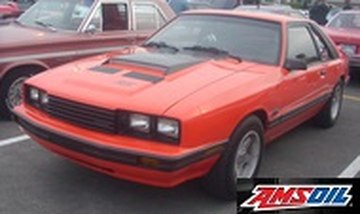
Lubrication Maintenance for the 1982 Mercury CAPRI 2.3L
Maintaining a vehicle from the early 1980s requires a proactive approach to fluid management and mechanical inspection. For the 1982 Mercury CAPRI equipped with the 2.3L engine, consistent attention to lubrication systems is a fundamental aspect of long-term ownership. Because older engines may exhibit different sealing characteristics than modern counterparts, understanding how to monitor and respond to changes in lubricant condition is essential for preserving engine health.
Monitoring Fluid Integrity and Potential Leaks
One of the most effective ways to manage an aging engine is through regular visual inspections of the engine bay and undercarriage. For a vehicle of this era, checking for signs of fluid seepage is a primary maintenance task. Rather than waiting for a significant loss of lubricant, owners should look for small traces of oil around various sealing surfaces and gaskets.
When performing these checks, consider the following:
- Surface Seepage: Inspect the areas where major engine components meet. Even if there is no active dripping, a "wet" or oily appearance on a surface can indicate that a seal is beginning to age and may eventually require attention.
- Undercarriage Inspection: Periodically check the ground where the vehicle is parked. Small spots or stains can provide early evidence of a slow leak that might not be immediately visible under the hood.
- Fluid Appearance: If you are able to safely check the lubricant level, take note of its color and consistency. While some discoloration is normal due to heat and use, significant changes in texture or an unusual smell may warrant further investigation.
It is important to remember that many symptoms, such as a small oil spot or a change in fluid appearance, can have multiple causes. These observations should be treated as indicators for closer inspection rather than definitive proof of a specific component failure.
Managing Engine Lubricant Over Time
As engines age, the chemical requirements for their lubrication may shift. While many owners stick to a standard routine, being aware of how different lubricant formulations interact with older engine components can be beneficial. For instance, some high-mileage oil formulations contain additives intended for use in aging engines. These specific formulations often include seal-conditioning additives that are designed to help maintain the flexibility of various gaskets and seals.
When deciding between conventional, synthetic blends, or full synthetic oils, consider the following factors:
- Thermal Stability: High-quality lubricants are designed to resist breaking down under the high temperatures generated during engine operation.
- Deposit Control: Modern oil formulations are engineered to help prevent the buildup of sludge and other deposits that can occur over long periods of service.
- Cleanliness: Using a lubricant with strong detergent properties can help keep internal components cleaner, which is particularly useful when maintaining an older engine with an unknown service history.
If you are unsure about the previous maintenance performed on the vehicle, establishing a baseline by performing a thorough inspection and documenting all subsequent fluid changes is a highly effective strategy for long-term care.
Practical Inspection of Engine Accessories
Beyond the lubrication system itself, several peripheral components should be inspected during routine service intervals. While these are not directly part of the engine's internal oiling process, their condition can impact overall engine operation and reliability.
If equipped, inspect accessible drive belts for signs of wear such as cracking, glazing, or fraying. A belt that is slipping or deteriorating can affect the performance of various engine-driven accessories. Similarly, if the vehicle is equipped with various rubber hoses, check them for signs of hardening, swelling, or surface cracks. Maintaining these components helps prevent secondary issues that could lead to overheating or other mechanical stresses.
Additionally, ensuring that electrical connections and wiring harnesses remain secure and free from corrosion is a vital part of general engine bay maintenance. Age-related brittleness in wiring can sometimes lead to intermittent electrical issues, so a quick visual check during an oil change is always a prudent step.
Prioritizing Maintenance Based on Condition
For owners of a 1982 Mercury CAPRI, the most effective way to manage maintenance is to prioritize tasks based on the actual condition of the vehicle rather than strictly following age-based assumptions. A well-preserved engine may require very different attention than one that has seen heavy use or inconsistent service.
To develop an effective maintenance strategy, consider these steps:
- Review Service History: If any records of previous repairs, fluid changes, or part replacements exist, review them to identify patterns or upcoming needs.
- Address Active Concerns First: If you notice a new leak, an unusual noise, or a change in how the engine runs, these should be investigated before moving on to general preventive maintenance.
- Monitor Consumption: Keep a close eye on whether the vehicle requires more frequent top-offs of its fluids. A sudden increase in consumption is a significant indicator that something in the system warrants professional inspection.
By focusing on the current state of the 2.3L engine, you can distinguish between necessary repairs and unnecessary parts replacement, ensuring that maintenance efforts are both efficient and effective.
Effective Record Keeping for Long-Term Ownership
Maintaining a detailed log of all service performed on the vehicle is one of the most valuable tools an owner can possess. For an older vehicle like the 1982 Mercury CAPRI, having a documented history provides clarity when troubleshooting new issues and helps establish a clear maintenance baseline.
A useful maintenance record should include the date of service, the mileage at the time of service, the specific products used (such as oil type and filter part numbers), and any observations made during inspections. This documentation is not only helpful for your own decision-making but also provides a clear picture of the vehicle's mechanical health if it is ever inspected by a technician or a future owner.
Buying Engine Oil for your 1982 Mercury CAPRI 2.3L
When you are ready to purchase new lubricant, the most important step is to ensure that the product matches the specific requirements of your engine. To avoid any errors in selection, match the engine oil to the application-specific viscosity information already displayed on this page.
Before completing your purchase, always check the product labeling to verify that the oil meets current quality standards and provides the necessary protection for your specific application. Whether you choose a conventional oil, a synthetic blend, or a high-mileage formulation, ensure it aligns with the technical details provided in the vehicle information section above. By following the application-specific guidance listed on this page, you can select a lubricant that is appropriate for the 1982 Mercury CAPRI 2.3L and support its continued operation.